

המועד האחרון מבין מועדי הסתיו נקרא סוכות — חג הסוכות. זהו חג מלא שמחה שבו אנו מודים לאלוהים על כך שהוא דואג ומספק לנו את כל צורכינו. על חג זה אנו קוראים בויקרא כ"ג: ל"ד–מ"ב:
"בַּחֲמִשָּׁה עָשָׂר יוֹם לַחֹדֶשׁ הַשְּׁבִיעִי הַזֶּה, חַג הַסֻּכּוֹת שִׁבְעַת יָמִים לַיהוָה… וְחַגֹּתֶם אֹתוֹ חַג לַיהוָה שִׁבְעַת יָמִים בַּשָּׁנָה; חֻקַּת עוֹלָם לְדֹרֹתֵיכֶם… בַּסֻּכּוֹת תֵּשְׁבוּ שִׁבְעַת יָמִים."
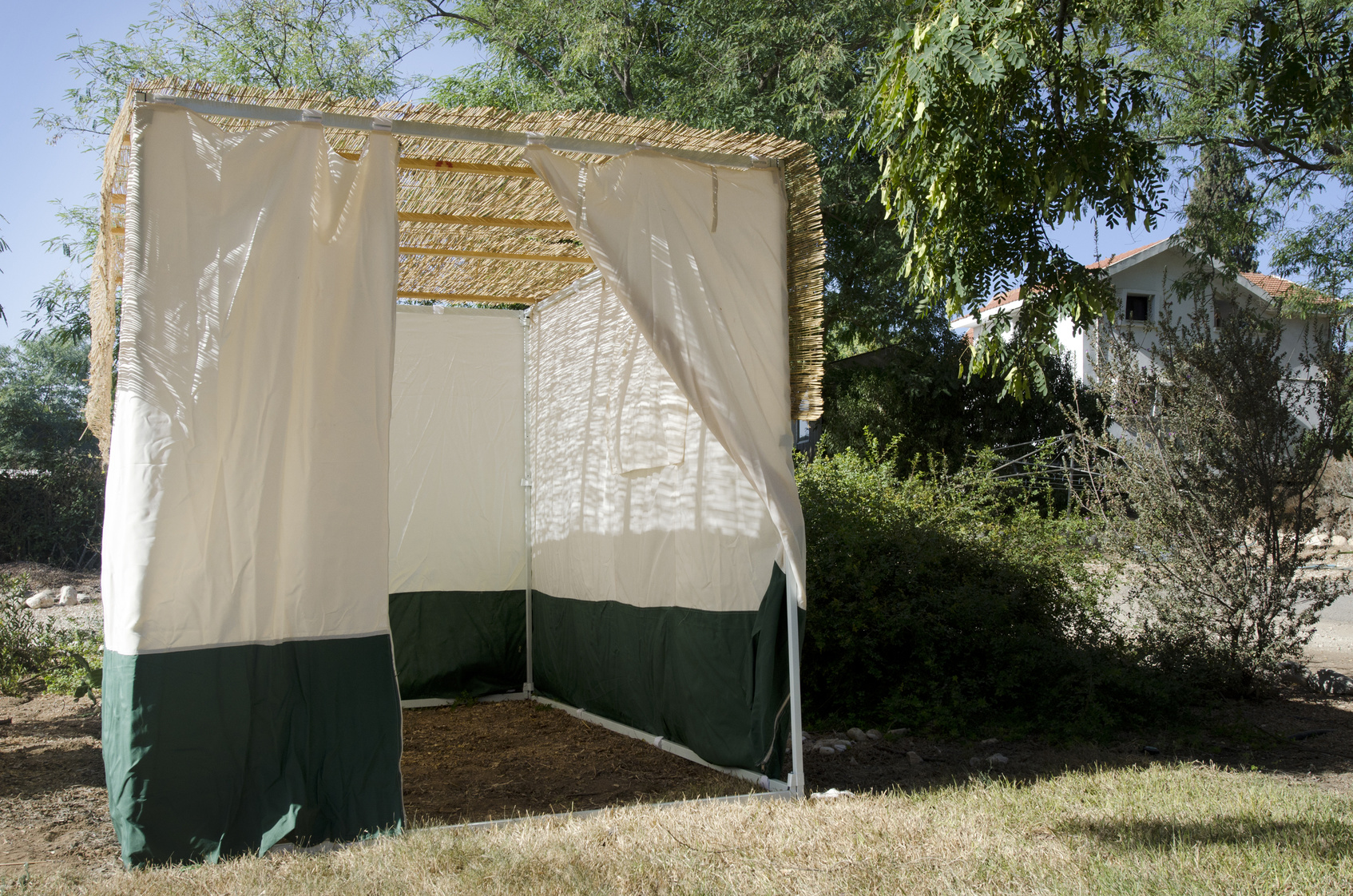
במהלך חג הסוכות, בבתים רבים ובבתי כנסת, בונים סוכה. סוכה היא מבנה זמני, העשוי מעץ, עשב או חומרים טבעיים אחרים, ומקושט בענפי עצים, עלים, פרחים, ירקות ופירות.
רבים נוהגים לאכול בסוכה במהלך החג, ויש גם כאלה שישנים בה במשך כל שבעת הימים.
בעת השהות בסוכה, אנו נזכרים כיצד לבני ישראל לא היה דבר במדבר מלבד אלוהים. במשך ארבעים שנה אלוהים דאג לכל צורכיהם: הוא סיפק להם מזון פלאי בדמות מן, הוציא להם מים מן הסלע, ודאג לכך שבגדיהם לא יבלו.
לא היה להם כלום — חוץ מאלוהים.
זהו מראה נפלא שמלמד גם אותנו כיצד עלינו לחיות כיום: בהישענות מוחלטת עליו!
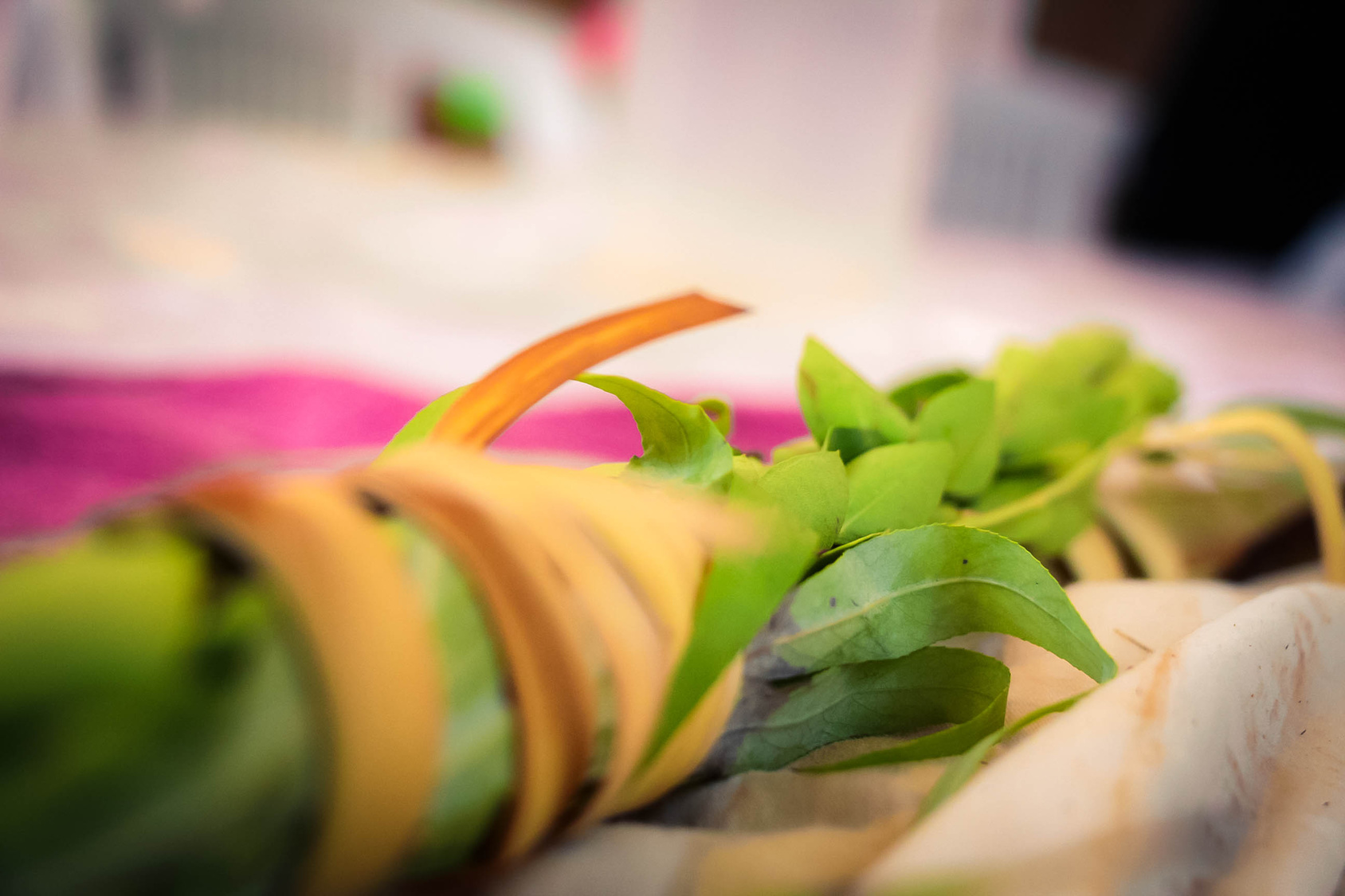
בחג הסוכות יש גם את המנהג של "נטילת לולב". הלולב הוא אגודה של ארבעת המינים הגדלים בארץ ישראל: אתרוג, לולב, הדס וערבה (ויקרא כ"ג: מ').
את הלולב מרימים ומניפים לפני אלוהים, ובכך אנו מעידים על יופיו וטובו, שהוא נמצא בכל מקום, ושכל הברכות והטוב באים ממנו. ברוך השם!
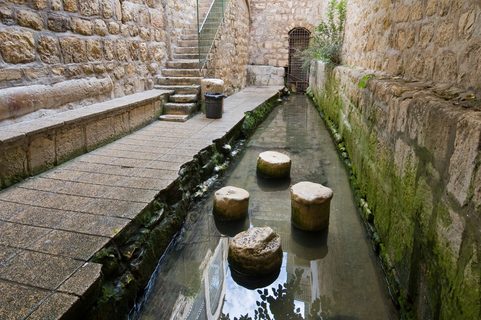
אחד המנהגים המיוחדים שהתקיימו בחג הסוכות בימי ישוע הוא הושענא רבה. בטקס זה, הכוהנים היו יוצאים מבריכת השילוח אל המזבח שבבית המקדש בירושלים כשהם נושאים כד מים. לאחר מכן, היו יוצקים את המים על גבי המזבח.
במעשה זה, הכוהנים היו מודים לאלוהים מראש על הגשמים שעתידים לרדת בחורף, ושיביאו עמם יבול שופע באביב.
The last of the Fall Feasts is called Sukkot-The Feast of Tabernacles. This feast is a joyous and happy time of giving thanks to God for His provision. We read about this feast in Leviticus ([tooltips content="
Speak to the sons of Israel, saying, On the fifteenth of this seventh month is the Feast of Booths for seven days to the Lord. On the first day is a holy convocation; you shall do no laborious work of any kind. For seven days you shall present an offering by fire to the Lord. On the eighth day you shall have a holy convocation and present an offering by fire to the Lord; it is an assembly. You shall do no laborious work. These are the appointed times of the Lord which you shall proclaim as holy convocations, to present offerings by fire to the Lord—burnt offerings and grain offerings, sacrifices and drink offerings, each day’s matter on its own day— besides those of the sabbaths of the Lord, and besides your gifts and besides all your votive and freewill offerings, which you give to the Lord. On exactly the fifteenth day of the seventh month, when you have gathered in the crops of the land, you shall celebrate the feast of the Lord for seven days, with a rest on the first day and a rest on the eighth day. 40 Now on the first day you shall take for yourselves the foliage of beautiful trees, palm branches and boughs of leafy trees and willows of the brook, and you shall rejoice before the Lord your God for seven days. You shall thus celebrate it as a feast to the Lord for seven days in the year. It shall be a perpetual statute throughout your generations; you shall celebrate it in the seventh month. You shall live in booths for seven days; all the native-born in Israel shall live in booths
Leviticus 23:34-42 NASB 1995"]23:34-42[/tooltips])“On the fifteenth of this seventh month is the Feast of Tabernacles for seven days to the LORD… You shall thus celebrate it as a feast to the LORD… It shall be a perpetual statute throughout your generations… You shall live in booths (sukkah) for seven days.”
During Sukkot, in many Jewish homes and synagogues, a sukkah will be constructed. A sukkah (meaning tabernacle or booth), is a temporary structure made out of lumber, grass, or any other earthly substance, and is decorated with natural materials including tree branches, leaves, flowers, vegetables and fruit.
Many people will actually eat their meals and sleep in the sukkah for the entire seven days of the feast.
While in the sukkah Jewish people spend time remembering how they had nothing in the wilderness but God. For forty years the LORD supplied their every need. He fed them supernaturally with manna, gave them water out of a rock, and caused their clothes not to wear out.
They had nothing but God.
This is a beautiful foreshadow of how we should live our lives today; totally dependent on Him!
Sukkot also involves the tradition of “the waving of the lulav.” The lulav is a gathering of branches made from four species found in Israel: The Palm branch, Myrtle, Willow and the Etrog ([tooltips content="
Now on the first day you shall take for yourselves the foliage of beautiful trees, palm branches and boughs of leafy trees and willows of the brook, and you shall rejoice before the Lord your God for seven days.
Leviticus 23:40"]Lev. 23:40[/tooltips]). The lulav is held up and waved before the LORD. By doing this, we are testifying of His beauty and bounty, that He is everywhere, and that all good gifts come from Him! Praise the LORD!
A remarkable tradition that took place during the Feast of Tabernacles in the days of Yeshua is called Hoshana Rabbah. During this ceremony, the priests would march from the pool of Siloam
to the altar at the Temple in Jerusalem carrying a pitcher of water. They would then pour the pitcher of water onto the altar. Through this act, the priests were thanking God in advance for the coming winter rains which would produce another bountiful harvest in the spring.
"'לגלות את ישוע היהודי' היא תוכנית שאני מעריכה במיוחד. מי יתן ואלוהים יברך את השירות והעבודה שאתה עושה עבור אנשים."
"אהבתי מאוד את השידורים החיים שלך! אני נער יהודי בן 16."
"אני יהודי ולעולם לא הבנתי את הנצרות, אבל הרב שניידר, הבהרת לי כל כך הרבה. זה היה פשוט צריך להישאר כזרם של היהדות, ולא להפוך לדת נפרדת."
"שאלוהים יברך אותך! תודה על הדרשות המעשירות והמלמדות."
איך אפשר להיות בטוחים שישוע הוא באמת מי שטען שהוא?
הורדה חינמית
Necessary cookies are absolutely essential for the website to function properly. These cookies ensure basic functionalities and security features of the website, anonymously.
| Cookie | Duration | Description |
|---|---|---|
| cookielawinfo-checbox-analytics | 11 months | This cookie is set by GDPR Cookie Consent plugin. The cookie is used to store the user consent for the cookies in the category "Analytics". |
| cookielawinfo-checbox-functional | 11 months | The cookie is set by GDPR cookie consent to record the user consent for the cookies in the category "Functional". |
| cookielawinfo-checbox-others | 11 months | This cookie is set by GDPR Cookie Consent plugin. The cookie is used to store the user consent for the cookies in the category "Other. |
| cookielawinfo-checkbox-necessary | 11 months | This cookie is set by GDPR Cookie Consent plugin. The cookies is used to store the user consent for the cookies in the category "Necessary". |
| cookielawinfo-checkbox-performance | 11 months | This cookie is set by GDPR Cookie Consent plugin. The cookie is used to store the user consent for the cookies in the category "Performance". |
| viewed_cookie_policy | 11 months | The cookie is set by the GDPR Cookie Consent plugin and is used to store whether or not user has consented to the use of cookies. It does not store any personal data. |
Functional cookies help to perform certain functionalities like sharing the content of the website on social media platforms, collect feedbacks, and other third-party features.
Performance cookies are used to understand and analyze the key performance indexes of the website which helps in delivering a better user experience for the visitors.
Analytical cookies are used to understand how visitors interact with the website. These cookies help provide information on metrics the number of visitors, bounce rate, traffic source, etc.
Advertisement cookies are used to provide visitors with relevant ads and marketing campaigns. These cookies track visitors across websites and collect information to provide customized ads.
Other uncategorized cookies are those that are being analyzed and have not been classified into a category as yet.